








| Speed | 18m/min | Voltage | 415V |
| Total Power | 45.86KW | Board Length | 150mm-3100mm |
| Board Width | Narrowest: 150mm, Widest: Unlimited | Plate thickness | 9mm-25mm |

As SPC flooring manufacturers expand from standard flooring planks into complete flooring accessory systems, the demand for SPC stair noses, transition profiles, skirting profiles, T-moldings, reducers and curved decorative profiles continues to grow.
Producing these profiles consistently requires more than simple manual heating and bending.
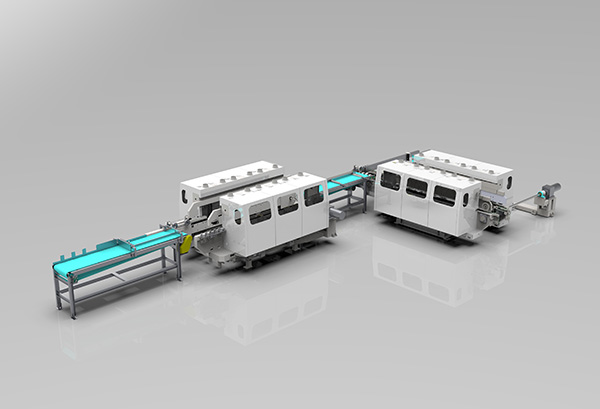
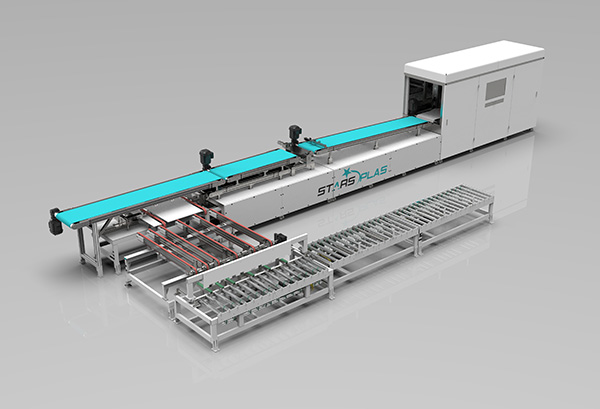
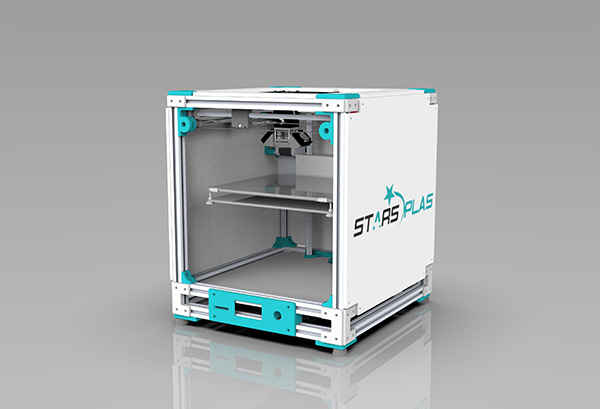
A High Precision SPC Flooring Profile Bending Machine is designed to improve this process by combining controlled heating, precise positioning, forming, radius bending and cooling into a stable production system.
For flooring manufacturers looking to improve product consistency, reduce manual labor and expand their range of SPC accessories, an automatic bending solution can become an important downstream process.

SPC profiles are relatively rigid because of their stone-plastic composite structure. Compared with soft PVC profiles, SPC material requires more accurate control during bending.
If the heating temperature is too low, the profile may crack or develop stress marks during forming.
If the positioning is inaccurate, the final bending radius or angle may vary from one product to another.
Typical production problems include:
The purpose of a high precision bending machine is to reduce these variables and create a more repeatable forming process.
The SPC flooring profile bending machine can be configured for different flooring accessories and decorative profiles.
Typical applications include:
SPC stair noses are one of the most common bending applications.
The machine can heat and form flooring profiles into stair-edge shapes according to the required radius and angle.
Transition profiles connect different flooring areas or flooring materials.
Accurate forming helps maintain consistent dimensions and appearance.
Reducers are used where SPC flooring transitions to a lower surface.
Controlled bending improves the stability of the finished profile.
SPC skirting and wall base products may require curved sections for interior decoration and customized architectural projects.
The machine can also be developed for special-profile applications according to customer drawings, samples and required bending radius.
This makes the equipment suitable not only for standard flooring accessories but also for customized flooring and interior decoration products.
The complete process can be configured according to the customer’s profile dimensions, production capacity and automation level.
The SPC profile is loaded into the bending system manually or through an automatic feeding conveyor.
Guides and positioning devices keep the profile aligned before heating.
The profile enters the heating section where the required forming area is heated.
Multi-zone temperature control can be used to improve heating consistency.
The objective is to soften the material sufficiently for forming while protecting the decorative surface.
The heated profile is formed around a customized bending mold.
The mold geometry is designed according to:
After forming, the profile remains in position during cooling.
Controlled cooling helps reduce spring-back and maintains the required shape.
Precision positioning and controlled forming help maintain stable bending angles and radii.
This is particularly important when producing stair noses and profiles that must match flooring dimensions precisely.
Automatic parameter control reduces variation caused by manual operation.
Different production batches can follow the same heating and forming process.
Stable temperature and controlled forming pressure help reduce cracking, whitening and decorative layer damage.
Manual profile bending often depends heavily on operator experience.
An automatic system reduces this dependency and improves production consistency between different shifts.
The correct machine configuration depends on the finished product.
Before selecting an SPC flooring profile bending machine, manufacturers should confirm several key parameters.
The machine should be designed according to the profile length, width and thickness.
Different profile structures require different molds and forming methods.
A detailed cross-section drawing is very useful during technical evaluation.
The bending radius determines the mold geometry and forming process.
Small-radius products normally require more careful temperature and forming control.
Different stair noses and decorative profiles may require different bending angles.
The machine should be configured according to the actual finished shape.
SPC formulation, decorative film, wear layer and coating structure can all influence the bending process.
For special materials, sample testing is recommended.
The required output determines whether the customer needs a semi-automatic machine or a fully automated production system.
Factories producing many profile specifications may benefit from quick-change molds and recipe storage.
The SPC flooring profile bending machine can be configured with different automation functions.
Optional systems may include:
This allows the machine to be developed as either an independent bending unit or part of a complete automated flooring profile production line.
Good SPC profile bending depends on more than machine pressure.
Several process parameters must work together:
For new products, sample testing is strongly recommended.
By testing actual SPC profiles before final machine configuration, it is easier to determine the correct heating method and mold design.
This can help reduce trial production time after installation and improve long-term production stability.
Many SPC flooring manufacturers are expanding from flooring planks into complete flooring systems.
Customers increasingly expect suppliers to provide matching accessories such as:
By adding an SPC flooring profile bending machine, manufacturers can reduce outsourcing and produce more value-added products in-house.
This can also provide several business advantages:
For factories already producing SPC flooring, profile bending can become an important extension of the existing production system.
Every SPC profile is different.
To recommend the correct machine configuration, please provide:
Based on this information, our engineering team can evaluate the heating method, bending structure, mold concept and automation level required for your application.
If physical samples are available, we can also evaluate the actual bending performance before confirming the final solution.


StarsPlas is a fully automatic equipment research and development company focusing on green building materials.
Our company is committed to providing industry 4.0 automation production solutions in accordance with European and American standards.
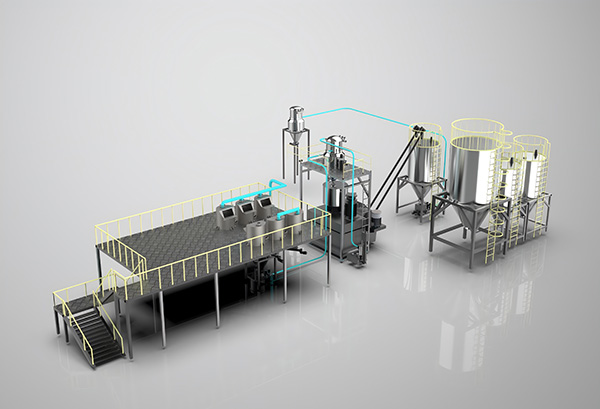
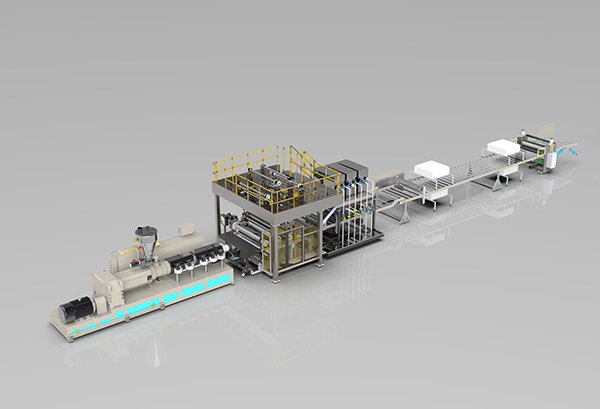
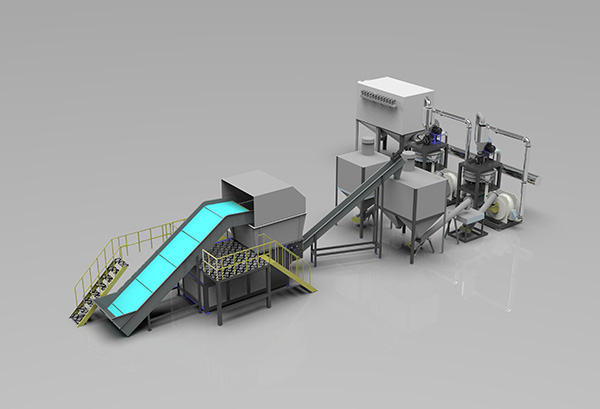
Furniture plank whole factory production equipment,Including automatic mixing system, extrusion production line, coating equipment, slotting equipment, laminating equipment and carton packaging equipment.


 Office Address
215625, Plant A18 Jinfeng Technology Innovation Park, Zhangjiagang, Jiangsu Province, PRC
Factory Address
Building 17, No. 27, Jinxing Road, Jinfeng Town, Zhangjiagang City
 Our Tel
(+86) 512-5810 8898
(+86) 189 136 13799


 Our Email

